

JMERC
Owner
Janbazan Medical and Engineering Research Center (JMERC) is the owner of IJWPH.

1.0
Cite Score 2025
SJR: 0.129 / SNIP: 0.140
Volume 18, Issue 2 (2026)
Iran J War Public Health 2026, 18(2): 173-180 |
Back to browse issues page
Article Type:
Subject:




Ethics code: IR.HSU.REC.1402.028
History
Received: 2026/02/20 | Accepted: 2026/04/1 | Published: 2026/04/12
Received: 2026/02/20 | Accepted: 2026/04/1 | Published: 2026/04/12
How to cite this article
Shahabi Kaseb M, Parhizmeymandi N, Mehranian A, Shakerian Toupkanlou N. Effects of Unstable Surface Resistance Training on Memory, Balance, and Muscle Strength of a 68-Year-Old Veteran. Iran J War Public Health 2026; 18 (2) :173-180
URL: http://ijwph.ir/article-1-1761-en.html
URL: http://ijwph.ir/article-1-1761-en.html
Download citation:
BibTeX | RIS | EndNote | Medlars | ProCite | Reference Manager | RefWorks
Send citation to:


Rights and permissions
BibTeX | RIS | EndNote | Medlars | ProCite | Reference Manager | RefWorks
Send citation to:

1- Department of Motor Behavior, Faculty of Physical Education and Sports Science, Hakim Sabzevari University, Sabzevar, Iran
2- Department of Sports Sciences, Faculty of Humanities and Social Sciences, Ardakan University, Ardakan, Iran
3- Department of Motor Behavior, Faculty of Sports Science, Ferdowsi University of Mashhad, Mashhad, Iran
2- Department of Sports Sciences, Faculty of Humanities and Social Sciences, Ardakan University, Ardakan, Iran
3- Department of Motor Behavior, Faculty of Sports Science, Ferdowsi University of Mashhad, Mashhad, Iran
Full-Text (HTML) (74 Views)
Introduction
War exerts profound and long-lasting effects not only on the economic and social structure of societies but also on the physical, psychological, and cognitive health of combatants and veterans, with many of these consequences becoming more pronounced during aging. The Iran-Iraq War likewise imposed substantial social and economic burdens and generated enduring adverse outcomes for the physical and mental health of veterans and disabled war survivors of the eight-year conflict. Today, a significant portion of veterans has entered the elderly age group and faces a wide range of age-related problems, including cognitive decline, muscle weakness, balance disorders, and functional limitations, which can affect their individual independence and quality of life [1-4]. These conditions not only threaten their functional independence but also increase the risk of falls, dependency, social isolation, and diminished quality of life [5-7].
Among the challenges associated with aging, cognitive and motor impairments are recognized as major contributors to the loss of independent functioning in older adults, and growing evidence suggests that these domains are closely interconnected. Memory, as one of the most fundamental cognitive functions, plays a critical role in learning, decision-making, environmental interaction, and the performance of activities of daily living [8]. Previous studies have demonstrated that aging and chronic war-related injuries may impair memory performance through mechanisms, such as hippocampal atrophy, reduced neuroplasticity, decreased synaptic density, and disrupted neural connectivity [9-11]. Furthermore, advancing age is associated with structural and functional brain alterations, including hippocampal atrophy, reductions in prefrontal cortical volume, gray matter loss, declines in neural plasticity, and degeneration of myelinated axons, all of which may negatively affect memory and executive functioning [12-14].
These cognitive and neural alterations are typically accompanied by concurrent declines in motor system performance. Specifically, aging and reduced central nervous system efficiency can lead to decreased muscle strength—particularly in the lower extremities—impaired motor control, reduced neuromuscular coordination, and deficits in postural balance [15, 16]. Balance is considered one of the most essential functional abilities for performing activities of daily living and maintaining independent living [17]. Thus, its deterioration substantially increases the risk of falls, injury, and disability in older adults [18, 19]. Although direct evidence remains limited, available studies suggest that older veterans may exhibit reduced balance ability and a greater fall risk, potentially associated with age-related neuromuscular deficits, impaired proprioception, and decreased functional mobility [16].
Exercise-based rehabilitation has gained increasing attention as an effective non-pharmacological strategy for mitigating age-related physical and cognitive decline in older adults and veterans. Evidence suggests that regular physical activity enhances postural control, mobility, and cognitive performance through neuroplastic and neuromuscular adaptations [20, 21]. Multicomponent and balance-oriented exercise programs have been shown to improve balance, proprioception, muscular strength, and functional mobility in aging populations, including veterans [22, 23]. In addition, aerobic, high-intensity, and combined physical-cognitive training can positively affect cognitive domains, such as memory, attention, and executive function, thereby improving overall functional capacity [24]. Furthermore, integrated rehabilitation approaches that incorporate balance, coordination, and cognitive tasks—such as exergaming—have demonstrated promising effects in reducing fall risk and enhancing postural stability in older adults [25].
Among these interventions, resistance training is widely recognized as one of the most effective non-pharmacological strategies for improving both physical and cognitive function in older adults. Resistance training can increase muscle strength, enhance motor performance, improve balance, and even improve certain cognitive functions, such as working memory, attention, and executive function [26]. These effects are likely mediated through increased cerebral blood flow, enhanced neuroplasticity, elevated neurotrophic and growth factors such as insulin-like growth factor-1 (IGF-1), improved synaptic efficiency, and strengthened neuromuscular adaptations, all of which may support both cognitive and motor functioning in older adults [27].
In recent years, unstable surface resistance training has emerged as an innovative and effective rehabilitation approach, as it simultaneously engages muscular, postural, proprioceptive, and cognitive systems [28]. Unlike traditional resistance training performed on stable surfaces, unstable training requires continuous postural adjustments, greater activation of stabilizing muscles, and increased involvement of the neuromuscular system to maintain balance. By enhancing proprioceptive input, improving agonist-antagonist muscle coordination, increasing motor unit recruitment, and strengthening neuromuscular control, unstable resistance training may contribute to improvements in both balance and muscular strength [29]. Furthermore, unstable resistance training imposes simultaneous motor and cognitive demands, requiring continuous proprioceptive monitoring, postural adjustments, and attentional control to
maintain stability during movement. This dual-task–like neuromuscular challenge may increase activation of higher-order neural networks involved in executive control and working memory, particularly within the prefrontal cortex and cerebellum, thereby contributing to improvements in cognitive performance [30].
Unstable resistance training can exert beneficial effects on multiple cognitive domains in older adults, including working memory, processing speed, response inhibition, and executive function. These cognitive benefits may result from the simultaneous engagement of sensory-motor integration, attentional regulation, and executive control processes during unstable movements [31, 32].
Despite growing evidence on the beneficial effects of unstable resistance training on physical and cognitive outcomes in older adults, research focusing specifically on elderly veterans remains scarce. Moreover, most previous studies have used group-based designs, while individual responses to rehabilitation interventions have received limited attention. Given the heterogeneity in functional status, injury severity, and cognitive aging trajectories among older veterans, single-case experimental designs may provide clinically meaningful insight into individual responsiveness to rehabilitation interventions, thereby supporting the development of personalized rehabilitation programs. Therefore, this study aimed to investigate the effects of unstable surface resistance training on memory, static and dynamic balance, and lower-limb muscle strength in a 68-year-old veteran with a shrapnel injury in the lower extremity, using a single-case experimental design.
Materials and Methods
Design and sample
This semi-experimental applied study was conducted using a single-case A–B–A design on a 68-year-old male war veteran. Repeated baseline assessments were obtained prior to the intervention phase, and follow-up evaluations were performed 24 hours, one, and two months after completion of the training protocol to examine the maintenance of intervention effects over time.
The participant had sustained a shrapnel injury to the right thigh during the Iran-Iraq war. He weighed 72kg, was 162cm tall, and had a body mass index (BMI) of 27.43kg/m². Inclusion criteria included the absence of severe mobility limitations, independent ambulation without assistive devices, and no evidence of significant cognitive impairment, as indicated by a score greater than 27 on the Mini-Mental State Examination (MMSE). Prior to the intervention, the participant reported engaging in low-intensity walking exercise twice weekly for approximately 30 minutes but had no history of structured resistance or balance training.
Assessment tools
Cognitive status was screened using the MMSE, a widely used 30-point instrument developed by Folstein et al. in 1975 to assess global cognitive functioning and detect cognitive impairment [33]. It evaluates several cognitive domains, including temporal and spatial orientation, immediate registration, attention and calculation, delayed recall, language abilities, and visuoconstructive skills [34]. Total scores range from 0 to 30, with higher scores indicating better cognitive functioning. Scores of 27-30 are generally considered indicative of normal cognition, whereas lower scores may reflect varying degrees of cognitive impairment. Previous research has demonstrated satisfactory psychometric properties for the MMSE, with reported reliability coefficients ranging from 0.88 to 0.98 and evidence supporting its validity in older adult populations [33, 35].
Lower-extremity muscular strength was assessed using the 30-second chair stand test. This test has been identified as a reliable and valid measure of lower-body strength in older adults [36]. The participant was instructed to sit on a standard armless chair (45cm height) with arms crossed over the chest and perform as many full stands as possible within 30 seconds. The total number of correctly completed repetitions was recorded as the test score. Recent research has reported high reliability coefficients for this test in elderly populations (r=0.84-0.92) [37].
Dynamic balance and functional mobility were evaluated using the timed up and go (TUG) test. The participant was instructed to rise from a seated position on a chair without armrests, walk a distance of 3 meters, turn around a cone marker, return to the chair, and sit down again. The total time required to complete the task was recorded in seconds. Two trials were performed with a 3-minute rest interval between trials, and the best performance was used for analysis. The TUG has demonstrated excellent reliability in older adults (ICC=0.96-0.99) [38].
The Romberg test, originally described by Romberg [39], is a clinical assessment of static balance in which the individual maintains a standing position with feet together under eyes-open and eyes-closed conditions. The duration of maintaining stability is used as an indicator of postural control and balance impairment. The reliability of this test has been reported to be 0.91 with eyes open and 0.77 with eyes closed [40].
Cognitive performance was assessed using selected subtests of the Wechsler Memory Scale (WMS). The WMS evaluates several domains of memory functioning, including short-term memory, attention, concentration, orientation, and delayed recall, and is widely used as a standardized instrument for neuropsychological assessment in adults and older adults. Recent research has demonstrated satisfactory psychometric properties for the WMS, with reported reliability coefficients ranging from 0.74 to 0.93 across different subscales and strong construct and criterion validity for the assessment of memory performance and cognitive impairment [41, 42].
Procedure
Following medical screening and physician approval for participation in light-to-moderate physical activity, written informed consent was obtained before initiation of the study.
Following an orientation session in which the participant was familiarized with the testing procedures and the unstable-surface resistance training protocol, baseline measurements of lower-extremity strength, static balance with eyes open, static balance with eyes closed, dynamic balance, and short-term memory were collected over three consecutive days to establish a stable baseline phase.
The intervention phase consisted of bodyweight squat exercises performed on an unstable foam surface (6 cm thickness) [43]. The training program was conducted for four weeks, with three sessions per week. During the first two weeks, the participant completed three sets of 15 repetitions per session, with 60 seconds of rest between sets. To comply with the principle of progressive overload, the training load was increased during the final two weeks to four sets of 15 repetitions, with the same 60-second rest interval between sets. In addition, an external load equivalent to 5% of the participant’s body weight was applied during this period.
Each training session began with a 10-minute general warm-up consisting of stretching and mobility exercises and concluded with a 10-minute cool-down period. Outcome measures, including lower-extremity strength, static balance with eyes open, static balance with eyes closed, dynamic balance, and short-term memory, were reassessed after every two training sessions, resulting in a total of six assessment points during the intervention phase.
During the follow-up phase, all outcome measures were evaluated at 24 hours, 1 month, and 2 months after completion of the final training session. Data analysis was conducted using both forward- and backward-trending data across the baseline, intervention, and follow-up phases, with within-phase and between-phase comparisons performed to evaluate changes associated with the intervention.
Data analysis
Data obtained from a single-case A–B–A experimental design were analyzed using established procedures for single-case experimental research. The primary aim of the analysis was to examine changes in lower-limb muscular strength, static balance (eyes open and closed), dynamic balance, and short-term memory across baseline (A1), intervention (B), and follow-up (A2) phases. Descriptive statistics, including mean and median, were calculated for all outcome parameters within each phase. Phase stability was evaluated using the 80/25 criterion, indicating stability when at least 80% of data points fall within ±25% of the phase median [44, 45]. Within-phase analysis focused on variability and trend estimation using relative level change (the difference between the medians of the first and second halves of each phase) and absolute level change (the difference between the first and last data points within each phase). Relative percentage change values exceeding 40% were interpreted as indicative of notable within-phase variability [46]. Between-phase effects were examined using non-overlap and level-change indices, including percentage of data exceeding the median (PEM), percentage of non-overlapping data (PND), Percentage of overlapping data (POD), and mean baseline reduction/increase (MBLR). These indices were computed to quantify the extent of improvement or deterioration across phases [47]. Interpretation of non-overlap indices followed established benchmarks, where values below 70% indicate weak effects, 71-90% moderate effects, and values above 90% strong intervention effects [47]. Finally, maintenance of effects was assessed through descriptive comparisons of follow-up (A2) data with baseline and intervention phases. The integration of these indices provided a comprehensive evaluation of intervention effectiveness consistent with contemporary standards for single-case experimental designs [48].
Findings
Both mean and median values increased from the baseline phase to the intervention phase and subsequently decreased from the intervention phase to the follow-up phase (Table 1).
Stability analysis using the 80/25 criterion indicated that all parameters demonstrated acceptable stability within each phase. Relative level change indices (the difference between first- and second-half medians) showed that within-phase variability remained below the 40% threshold for all parameters. Specifically, the relative percentage change within phases was as follows: for lower-limb strength, 16.6% at baseline (A1), 12.5% during the intervention (B), and 15.3% at follow-up (A2); for static balance with eyes open, 3.29% (A1), 9.73% (B), and 2.74% (A2); for static balance with eyes closed, 1.77% (A1), 8.40% (B), and 5.24% (A2); for dynamic balance, 2.6% (A1), 9.17% (B), and 3.98% (A2); and for short-term memory, 8.69% (A1), 16.66% (B), and 12.5% (A2). Overall, these results indicate acceptable stability and consistent data patterns across phases.
From baseline (A1) to intervention (B), PEM was 100% for all parameters, with MBLR positive in outcomes that improved and PND=100%/POD=0% for each variable, indicating improvement after the intervention.
In contrast, from intervention (B) to follow-up (A2), PEM was 0% for all parameters. MBLR coefficients reversed direction (negative for improvements and positive for declines), with
PND=0%/POD=100% for all outcomes, indicating no maintenance (or reversal) of effects at follow-up (Table 2).
Table 1. Mean and median scores of lower-limb strength, static balance (eyes open and closed), dynamic balance, and short-term memory across study phases
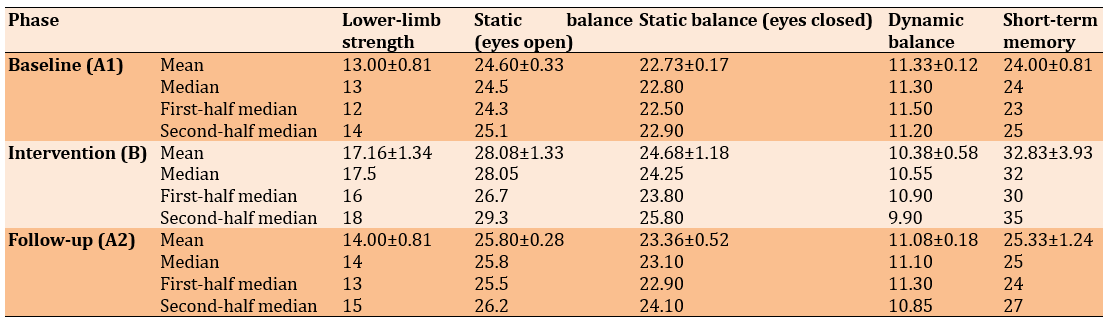
Table 2. Between-phase improvement indices (PEM, MBLR, PND, POD) for outcomes across phases

Discussion
This single-subject study investigated the effects of unstable surface resistance training on lower-limb strength, balance performance, and short-term memory in a 68-year-old veteran. There were clear improvements across all outcome measures during the intervention phase. Specifically, increases were observed in lower-limb strength, static balance with both eyes open and eyes closed, and short-term memory performance, while dynamic balance performance also improved, as evidenced by reduced completion time. Although some decline was observed during the follow-up phase, the participant’s performance generally remained superior to baseline levels, suggesting that the intervention produced meaningful short-term adaptations.
The improvement in lower-limb strength may be attributed to the unique neuromuscular demands associated with resistance exercise performed on unstable surfaces. Unlike traditional resistance training, unstable surface training requires continuous postural adjustments and greater activation of stabilizing musculature to maintain body position during movement. For this participant, repeated exposure to instability may have enhanced motor unit recruitment, intermuscular coordination, and neuromuscular efficiency, thereby contributing to the observed gains in strength [49]. Given the age-related decline in muscle mass and neuromuscular function commonly observed in older adults, the magnitude of improvement observed in this veteran suggests that instability-based resistance exercises may provide a sufficiently challenging stimulus to induce meaningful strength adaptations even in later life.
Improvements in balance performance were also evident throughout the intervention phase. Because maintaining equilibrium on unstable surfaces requires the continuous integration of visual, vestibular, and somatosensory information, the training protocol likely challenged multiple components of the postural control system. Repeated practice under unstable conditions may have enhanced sensory integration and the participant’s ability to generate rapid corrective responses to postural perturbations. Training on unstable surfaces exposes individuals to unpredictable sensory inputs and continuously challenges postural control mechanisms, thereby increasing the demand on the nervous system to process sensory information and generate appropriate motor responses [49]. These adaptations may explain the observed improvements in both static balance conditions and dynamic balance performance. The finding is particularly important because impaired balance is a major risk factor for falls, functional limitations, and reduced independence among older adults.
There was an improvement in short-term memory following the intervention. Although resistance training is primarily prescribed to improve physical function, growing evidence suggests that exercise can also positively influence cognitive performance. Several mechanisms may account for this effect, including increased cerebral blood flow, enhanced neuroplasticity, and exercise-induced release of neurotrophic factors. Physical exercise, including resistance and multicomponent training programs, can positively influence memory, executive function, and global cognitive performance in older adults [50]. In addition, performing exercises on unstable surfaces requires sustained attention, continuous monitoring of body position, and rapid motor adjustments. These additional cognitive demands may have provided a form of simultaneous cognitive stimulation that contributed to the observed improvement in memory performance in this participant.
The follow-up results provide additional insight into the nature of the training effects. Although improvements were maintained to some extent, most outcome measures declined relative to the intervention phase.
This reduction suggests that continued exposure to the training stimulus may be necessary to sustain the adaptations achieved during the intervention period. This pattern is not unexpected in older individuals, as age-related physiological changes may reduce the persistence of neuromuscular and cognitive adaptations once training ceases. Nevertheless, the participant’s performance remained generally better than baseline, indicating that some benefits were retained after the intervention ended.
These findings are broadly consistent with previous research reporting positive effects of unstable surface training on balance and neuromuscular performance in older adults. Instability-based exercises enhance proprioceptive function, postural control, and muscle activation patterns, leading to improvements in functional performance [49]. Similarly, recent evidence has highlighted the potential cognitive benefits of physical exercise, particularly when training tasks involve increased attentional and coordinative demands. This study extends this body of literature by demonstrating that these benefits may also be observed in an older veteran participating in a structured unstable surface resistance training program.
The veteran status of the participant deserves particular consideration. Older veterans may experience unique physical and functional challenges associated with aging, previous injuries, or long-term reductions in physical activity. Consequently, interventions that simultaneously target physical and cognitive function may be especially valuable in this population. Although conclusions cannot be generalized from a single case, the positive changes observed across multiple outcome measures suggest that unstable surface resistance training may represent a feasible and potentially beneficial approach for promoting functional health in older veterans.
Several limitations should be acknowledged. First, the study included only one participant, which limits the generalizability of the findings. Second, the absence of a control condition prevents definitive conclusions regarding causality. Third, the relatively short follow-up period does not allow evaluation of the long-term retention of the observed benefits. Future studies employing larger samples, multiple-baseline designs, and longer follow-up periods are recommended to further investigate the effects of unstable surface resistance training on physical and cognitive outcomes in older veterans.
Improvements were observed across both physical and cognitive domains during the intervention period, and although some attenuation occurred after training ceased, performance generally remained above baseline levels. Thus, integrating instability into resistance exercise may offer a multidimensional training stimulus capable of targeting neuromuscular and cognitive functions concurrently.
Beyond its effects on strength and balance, the observed improvement in short-term memory highlights the potential value of training approaches that combine physical exertion with increased sensorimotor and attentional demands. Such interventions may be particularly relevant for older veterans, a population that often faces age-related declines in both physical and cognitive functioning.
While the inherent limitations of a single-case design preclude broad generalization, the present findings contribute to the emerging literature on integrated physical-cognitive exercise interventions and provide a rationale for future controlled studies with larger samples to determine the mechanisms, effectiveness, and long-term sustainability of these adaptations in older adults and veteran populations.
Conclusion
Unstable surface resistance training produces concurrent and largely sustained improvements in both lower-limb strength and postural control, with accompanying benefits to short-term memory in the older veteran.
Acknowledgments: The authors would like to thank the participant for his valuable cooperation and commitment throughout the study.
Ethical Permissions: The study protocol was approved by the Ethics Committee of Hakim Sabzevari University (IR.HSU.REC.1402.028).
Conflicts of Interest: The authors reported no conflicts of interest.
Authors' Contribution: Shahabi Kaseb MR (First Author), Main Researcher/Statistical Analyst (30%); Parhizmeymandi N (Second Author), Introduction Writer/Discussion Writer/Assistant Researcher (25%); Mehranian A (Third Author), Methodologist/Assistant Researcher/Discussion Writer (25%); Shakerian Toupkanlou N (Fourth Author), Introduction Writer/Methodologist/Assistant Researcher (20%)
Funding/Support: This research did not receive any specific grant from funding agencies in the public, commercial, or not-for-profit sectors.
War exerts profound and long-lasting effects not only on the economic and social structure of societies but also on the physical, psychological, and cognitive health of combatants and veterans, with many of these consequences becoming more pronounced during aging. The Iran-Iraq War likewise imposed substantial social and economic burdens and generated enduring adverse outcomes for the physical and mental health of veterans and disabled war survivors of the eight-year conflict. Today, a significant portion of veterans has entered the elderly age group and faces a wide range of age-related problems, including cognitive decline, muscle weakness, balance disorders, and functional limitations, which can affect their individual independence and quality of life [1-4]. These conditions not only threaten their functional independence but also increase the risk of falls, dependency, social isolation, and diminished quality of life [5-7].
Among the challenges associated with aging, cognitive and motor impairments are recognized as major contributors to the loss of independent functioning in older adults, and growing evidence suggests that these domains are closely interconnected. Memory, as one of the most fundamental cognitive functions, plays a critical role in learning, decision-making, environmental interaction, and the performance of activities of daily living [8]. Previous studies have demonstrated that aging and chronic war-related injuries may impair memory performance through mechanisms, such as hippocampal atrophy, reduced neuroplasticity, decreased synaptic density, and disrupted neural connectivity [9-11]. Furthermore, advancing age is associated with structural and functional brain alterations, including hippocampal atrophy, reductions in prefrontal cortical volume, gray matter loss, declines in neural plasticity, and degeneration of myelinated axons, all of which may negatively affect memory and executive functioning [12-14].
These cognitive and neural alterations are typically accompanied by concurrent declines in motor system performance. Specifically, aging and reduced central nervous system efficiency can lead to decreased muscle strength—particularly in the lower extremities—impaired motor control, reduced neuromuscular coordination, and deficits in postural balance [15, 16]. Balance is considered one of the most essential functional abilities for performing activities of daily living and maintaining independent living [17]. Thus, its deterioration substantially increases the risk of falls, injury, and disability in older adults [18, 19]. Although direct evidence remains limited, available studies suggest that older veterans may exhibit reduced balance ability and a greater fall risk, potentially associated with age-related neuromuscular deficits, impaired proprioception, and decreased functional mobility [16].
Exercise-based rehabilitation has gained increasing attention as an effective non-pharmacological strategy for mitigating age-related physical and cognitive decline in older adults and veterans. Evidence suggests that regular physical activity enhances postural control, mobility, and cognitive performance through neuroplastic and neuromuscular adaptations [20, 21]. Multicomponent and balance-oriented exercise programs have been shown to improve balance, proprioception, muscular strength, and functional mobility in aging populations, including veterans [22, 23]. In addition, aerobic, high-intensity, and combined physical-cognitive training can positively affect cognitive domains, such as memory, attention, and executive function, thereby improving overall functional capacity [24]. Furthermore, integrated rehabilitation approaches that incorporate balance, coordination, and cognitive tasks—such as exergaming—have demonstrated promising effects in reducing fall risk and enhancing postural stability in older adults [25].
Among these interventions, resistance training is widely recognized as one of the most effective non-pharmacological strategies for improving both physical and cognitive function in older adults. Resistance training can increase muscle strength, enhance motor performance, improve balance, and even improve certain cognitive functions, such as working memory, attention, and executive function [26]. These effects are likely mediated through increased cerebral blood flow, enhanced neuroplasticity, elevated neurotrophic and growth factors such as insulin-like growth factor-1 (IGF-1), improved synaptic efficiency, and strengthened neuromuscular adaptations, all of which may support both cognitive and motor functioning in older adults [27].
In recent years, unstable surface resistance training has emerged as an innovative and effective rehabilitation approach, as it simultaneously engages muscular, postural, proprioceptive, and cognitive systems [28]. Unlike traditional resistance training performed on stable surfaces, unstable training requires continuous postural adjustments, greater activation of stabilizing muscles, and increased involvement of the neuromuscular system to maintain balance. By enhancing proprioceptive input, improving agonist-antagonist muscle coordination, increasing motor unit recruitment, and strengthening neuromuscular control, unstable resistance training may contribute to improvements in both balance and muscular strength [29]. Furthermore, unstable resistance training imposes simultaneous motor and cognitive demands, requiring continuous proprioceptive monitoring, postural adjustments, and attentional control to
maintain stability during movement. This dual-task–like neuromuscular challenge may increase activation of higher-order neural networks involved in executive control and working memory, particularly within the prefrontal cortex and cerebellum, thereby contributing to improvements in cognitive performance [30].
Unstable resistance training can exert beneficial effects on multiple cognitive domains in older adults, including working memory, processing speed, response inhibition, and executive function. These cognitive benefits may result from the simultaneous engagement of sensory-motor integration, attentional regulation, and executive control processes during unstable movements [31, 32].
Despite growing evidence on the beneficial effects of unstable resistance training on physical and cognitive outcomes in older adults, research focusing specifically on elderly veterans remains scarce. Moreover, most previous studies have used group-based designs, while individual responses to rehabilitation interventions have received limited attention. Given the heterogeneity in functional status, injury severity, and cognitive aging trajectories among older veterans, single-case experimental designs may provide clinically meaningful insight into individual responsiveness to rehabilitation interventions, thereby supporting the development of personalized rehabilitation programs. Therefore, this study aimed to investigate the effects of unstable surface resistance training on memory, static and dynamic balance, and lower-limb muscle strength in a 68-year-old veteran with a shrapnel injury in the lower extremity, using a single-case experimental design.
Materials and Methods
Design and sample
This semi-experimental applied study was conducted using a single-case A–B–A design on a 68-year-old male war veteran. Repeated baseline assessments were obtained prior to the intervention phase, and follow-up evaluations were performed 24 hours, one, and two months after completion of the training protocol to examine the maintenance of intervention effects over time.
The participant had sustained a shrapnel injury to the right thigh during the Iran-Iraq war. He weighed 72kg, was 162cm tall, and had a body mass index (BMI) of 27.43kg/m². Inclusion criteria included the absence of severe mobility limitations, independent ambulation without assistive devices, and no evidence of significant cognitive impairment, as indicated by a score greater than 27 on the Mini-Mental State Examination (MMSE). Prior to the intervention, the participant reported engaging in low-intensity walking exercise twice weekly for approximately 30 minutes but had no history of structured resistance or balance training.
Assessment tools
Cognitive status was screened using the MMSE, a widely used 30-point instrument developed by Folstein et al. in 1975 to assess global cognitive functioning and detect cognitive impairment [33]. It evaluates several cognitive domains, including temporal and spatial orientation, immediate registration, attention and calculation, delayed recall, language abilities, and visuoconstructive skills [34]. Total scores range from 0 to 30, with higher scores indicating better cognitive functioning. Scores of 27-30 are generally considered indicative of normal cognition, whereas lower scores may reflect varying degrees of cognitive impairment. Previous research has demonstrated satisfactory psychometric properties for the MMSE, with reported reliability coefficients ranging from 0.88 to 0.98 and evidence supporting its validity in older adult populations [33, 35].
Lower-extremity muscular strength was assessed using the 30-second chair stand test. This test has been identified as a reliable and valid measure of lower-body strength in older adults [36]. The participant was instructed to sit on a standard armless chair (45cm height) with arms crossed over the chest and perform as many full stands as possible within 30 seconds. The total number of correctly completed repetitions was recorded as the test score. Recent research has reported high reliability coefficients for this test in elderly populations (r=0.84-0.92) [37].
Dynamic balance and functional mobility were evaluated using the timed up and go (TUG) test. The participant was instructed to rise from a seated position on a chair without armrests, walk a distance of 3 meters, turn around a cone marker, return to the chair, and sit down again. The total time required to complete the task was recorded in seconds. Two trials were performed with a 3-minute rest interval between trials, and the best performance was used for analysis. The TUG has demonstrated excellent reliability in older adults (ICC=0.96-0.99) [38].
The Romberg test, originally described by Romberg [39], is a clinical assessment of static balance in which the individual maintains a standing position with feet together under eyes-open and eyes-closed conditions. The duration of maintaining stability is used as an indicator of postural control and balance impairment. The reliability of this test has been reported to be 0.91 with eyes open and 0.77 with eyes closed [40].
Cognitive performance was assessed using selected subtests of the Wechsler Memory Scale (WMS). The WMS evaluates several domains of memory functioning, including short-term memory, attention, concentration, orientation, and delayed recall, and is widely used as a standardized instrument for neuropsychological assessment in adults and older adults. Recent research has demonstrated satisfactory psychometric properties for the WMS, with reported reliability coefficients ranging from 0.74 to 0.93 across different subscales and strong construct and criterion validity for the assessment of memory performance and cognitive impairment [41, 42].
Procedure
Following medical screening and physician approval for participation in light-to-moderate physical activity, written informed consent was obtained before initiation of the study.
Following an orientation session in which the participant was familiarized with the testing procedures and the unstable-surface resistance training protocol, baseline measurements of lower-extremity strength, static balance with eyes open, static balance with eyes closed, dynamic balance, and short-term memory were collected over three consecutive days to establish a stable baseline phase.
The intervention phase consisted of bodyweight squat exercises performed on an unstable foam surface (6 cm thickness) [43]. The training program was conducted for four weeks, with three sessions per week. During the first two weeks, the participant completed three sets of 15 repetitions per session, with 60 seconds of rest between sets. To comply with the principle of progressive overload, the training load was increased during the final two weeks to four sets of 15 repetitions, with the same 60-second rest interval between sets. In addition, an external load equivalent to 5% of the participant’s body weight was applied during this period.
Each training session began with a 10-minute general warm-up consisting of stretching and mobility exercises and concluded with a 10-minute cool-down period. Outcome measures, including lower-extremity strength, static balance with eyes open, static balance with eyes closed, dynamic balance, and short-term memory, were reassessed after every two training sessions, resulting in a total of six assessment points during the intervention phase.
During the follow-up phase, all outcome measures were evaluated at 24 hours, 1 month, and 2 months after completion of the final training session. Data analysis was conducted using both forward- and backward-trending data across the baseline, intervention, and follow-up phases, with within-phase and between-phase comparisons performed to evaluate changes associated with the intervention.
Data analysis
Data obtained from a single-case A–B–A experimental design were analyzed using established procedures for single-case experimental research. The primary aim of the analysis was to examine changes in lower-limb muscular strength, static balance (eyes open and closed), dynamic balance, and short-term memory across baseline (A1), intervention (B), and follow-up (A2) phases. Descriptive statistics, including mean and median, were calculated for all outcome parameters within each phase. Phase stability was evaluated using the 80/25 criterion, indicating stability when at least 80% of data points fall within ±25% of the phase median [44, 45]. Within-phase analysis focused on variability and trend estimation using relative level change (the difference between the medians of the first and second halves of each phase) and absolute level change (the difference between the first and last data points within each phase). Relative percentage change values exceeding 40% were interpreted as indicative of notable within-phase variability [46]. Between-phase effects were examined using non-overlap and level-change indices, including percentage of data exceeding the median (PEM), percentage of non-overlapping data (PND), Percentage of overlapping data (POD), and mean baseline reduction/increase (MBLR). These indices were computed to quantify the extent of improvement or deterioration across phases [47]. Interpretation of non-overlap indices followed established benchmarks, where values below 70% indicate weak effects, 71-90% moderate effects, and values above 90% strong intervention effects [47]. Finally, maintenance of effects was assessed through descriptive comparisons of follow-up (A2) data with baseline and intervention phases. The integration of these indices provided a comprehensive evaluation of intervention effectiveness consistent with contemporary standards for single-case experimental designs [48].
Findings
Both mean and median values increased from the baseline phase to the intervention phase and subsequently decreased from the intervention phase to the follow-up phase (Table 1).
Stability analysis using the 80/25 criterion indicated that all parameters demonstrated acceptable stability within each phase. Relative level change indices (the difference between first- and second-half medians) showed that within-phase variability remained below the 40% threshold for all parameters. Specifically, the relative percentage change within phases was as follows: for lower-limb strength, 16.6% at baseline (A1), 12.5% during the intervention (B), and 15.3% at follow-up (A2); for static balance with eyes open, 3.29% (A1), 9.73% (B), and 2.74% (A2); for static balance with eyes closed, 1.77% (A1), 8.40% (B), and 5.24% (A2); for dynamic balance, 2.6% (A1), 9.17% (B), and 3.98% (A2); and for short-term memory, 8.69% (A1), 16.66% (B), and 12.5% (A2). Overall, these results indicate acceptable stability and consistent data patterns across phases.
From baseline (A1) to intervention (B), PEM was 100% for all parameters, with MBLR positive in outcomes that improved and PND=100%/POD=0% for each variable, indicating improvement after the intervention.
In contrast, from intervention (B) to follow-up (A2), PEM was 0% for all parameters. MBLR coefficients reversed direction (negative for improvements and positive for declines), with
PND=0%/POD=100% for all outcomes, indicating no maintenance (or reversal) of effects at follow-up (Table 2).
Table 1. Mean and median scores of lower-limb strength, static balance (eyes open and closed), dynamic balance, and short-term memory across study phases
Table 2. Between-phase improvement indices (PEM, MBLR, PND, POD) for outcomes across phases
Discussion
This single-subject study investigated the effects of unstable surface resistance training on lower-limb strength, balance performance, and short-term memory in a 68-year-old veteran. There were clear improvements across all outcome measures during the intervention phase. Specifically, increases were observed in lower-limb strength, static balance with both eyes open and eyes closed, and short-term memory performance, while dynamic balance performance also improved, as evidenced by reduced completion time. Although some decline was observed during the follow-up phase, the participant’s performance generally remained superior to baseline levels, suggesting that the intervention produced meaningful short-term adaptations.
The improvement in lower-limb strength may be attributed to the unique neuromuscular demands associated with resistance exercise performed on unstable surfaces. Unlike traditional resistance training, unstable surface training requires continuous postural adjustments and greater activation of stabilizing musculature to maintain body position during movement. For this participant, repeated exposure to instability may have enhanced motor unit recruitment, intermuscular coordination, and neuromuscular efficiency, thereby contributing to the observed gains in strength [49]. Given the age-related decline in muscle mass and neuromuscular function commonly observed in older adults, the magnitude of improvement observed in this veteran suggests that instability-based resistance exercises may provide a sufficiently challenging stimulus to induce meaningful strength adaptations even in later life.
Improvements in balance performance were also evident throughout the intervention phase. Because maintaining equilibrium on unstable surfaces requires the continuous integration of visual, vestibular, and somatosensory information, the training protocol likely challenged multiple components of the postural control system. Repeated practice under unstable conditions may have enhanced sensory integration and the participant’s ability to generate rapid corrective responses to postural perturbations. Training on unstable surfaces exposes individuals to unpredictable sensory inputs and continuously challenges postural control mechanisms, thereby increasing the demand on the nervous system to process sensory information and generate appropriate motor responses [49]. These adaptations may explain the observed improvements in both static balance conditions and dynamic balance performance. The finding is particularly important because impaired balance is a major risk factor for falls, functional limitations, and reduced independence among older adults.
There was an improvement in short-term memory following the intervention. Although resistance training is primarily prescribed to improve physical function, growing evidence suggests that exercise can also positively influence cognitive performance. Several mechanisms may account for this effect, including increased cerebral blood flow, enhanced neuroplasticity, and exercise-induced release of neurotrophic factors. Physical exercise, including resistance and multicomponent training programs, can positively influence memory, executive function, and global cognitive performance in older adults [50]. In addition, performing exercises on unstable surfaces requires sustained attention, continuous monitoring of body position, and rapid motor adjustments. These additional cognitive demands may have provided a form of simultaneous cognitive stimulation that contributed to the observed improvement in memory performance in this participant.
The follow-up results provide additional insight into the nature of the training effects. Although improvements were maintained to some extent, most outcome measures declined relative to the intervention phase.
This reduction suggests that continued exposure to the training stimulus may be necessary to sustain the adaptations achieved during the intervention period. This pattern is not unexpected in older individuals, as age-related physiological changes may reduce the persistence of neuromuscular and cognitive adaptations once training ceases. Nevertheless, the participant’s performance remained generally better than baseline, indicating that some benefits were retained after the intervention ended.
These findings are broadly consistent with previous research reporting positive effects of unstable surface training on balance and neuromuscular performance in older adults. Instability-based exercises enhance proprioceptive function, postural control, and muscle activation patterns, leading to improvements in functional performance [49]. Similarly, recent evidence has highlighted the potential cognitive benefits of physical exercise, particularly when training tasks involve increased attentional and coordinative demands. This study extends this body of literature by demonstrating that these benefits may also be observed in an older veteran participating in a structured unstable surface resistance training program.
The veteran status of the participant deserves particular consideration. Older veterans may experience unique physical and functional challenges associated with aging, previous injuries, or long-term reductions in physical activity. Consequently, interventions that simultaneously target physical and cognitive function may be especially valuable in this population. Although conclusions cannot be generalized from a single case, the positive changes observed across multiple outcome measures suggest that unstable surface resistance training may represent a feasible and potentially beneficial approach for promoting functional health in older veterans.
Several limitations should be acknowledged. First, the study included only one participant, which limits the generalizability of the findings. Second, the absence of a control condition prevents definitive conclusions regarding causality. Third, the relatively short follow-up period does not allow evaluation of the long-term retention of the observed benefits. Future studies employing larger samples, multiple-baseline designs, and longer follow-up periods are recommended to further investigate the effects of unstable surface resistance training on physical and cognitive outcomes in older veterans.
Improvements were observed across both physical and cognitive domains during the intervention period, and although some attenuation occurred after training ceased, performance generally remained above baseline levels. Thus, integrating instability into resistance exercise may offer a multidimensional training stimulus capable of targeting neuromuscular and cognitive functions concurrently.
Beyond its effects on strength and balance, the observed improvement in short-term memory highlights the potential value of training approaches that combine physical exertion with increased sensorimotor and attentional demands. Such interventions may be particularly relevant for older veterans, a population that often faces age-related declines in both physical and cognitive functioning.
While the inherent limitations of a single-case design preclude broad generalization, the present findings contribute to the emerging literature on integrated physical-cognitive exercise interventions and provide a rationale for future controlled studies with larger samples to determine the mechanisms, effectiveness, and long-term sustainability of these adaptations in older adults and veteran populations.
Conclusion
Unstable surface resistance training produces concurrent and largely sustained improvements in both lower-limb strength and postural control, with accompanying benefits to short-term memory in the older veteran.
Acknowledgments: The authors would like to thank the participant for his valuable cooperation and commitment throughout the study.
Ethical Permissions: The study protocol was approved by the Ethics Committee of Hakim Sabzevari University (IR.HSU.REC.1402.028).
Conflicts of Interest: The authors reported no conflicts of interest.
Authors' Contribution: Shahabi Kaseb MR (First Author), Main Researcher/Statistical Analyst (30%); Parhizmeymandi N (Second Author), Introduction Writer/Discussion Writer/Assistant Researcher (25%); Mehranian A (Third Author), Methodologist/Assistant Researcher/Discussion Writer (25%); Shakerian Toupkanlou N (Fourth Author), Introduction Writer/Methodologist/Assistant Researcher (20%)
Funding/Support: This research did not receive any specific grant from funding agencies in the public, commercial, or not-for-profit sectors.
References
1. Neale ZE, Fonda JR, Miller MW, Wolf EJ, Zhang R, Sherva R, et al. Subjective cognitive concerns, APOE ε4, PTSD symptoms, and risk for dementia among older veterans. Alzheimers Res Ther. 2024;16(1):143. [Link] [DOI:10.1186/s13195-024-01512-w]
2. Burns KH, Neves BB, Warren N. Redefining the successful aging of veterans: A scoping review. Gerontologist. 2024;65(1):gnae105. [Link] [DOI:10.1093/geront/gnae105]
3. Luo H, Zheng Z, Yuan Z, Hu H, Sun C. The effectiveness of multicomponent exercise in older adults with cognitive frailty: A systematic review and meta-analysis. Arch Public Health. 2024;82(1):229. [Link] [DOI:10.1186/s13690-024-01441-y]
4. Asgharnejad Farid A, Mirmohammadali M, Ahadi H, Nasiri A. Evaluation of the effectiveness of cognitive-behavioral therapy and acceptance and commitment therapy of psychosocial needs of veterans. Iran J War Public Health. 2020;12(3):157-64. [Persian] [Link] [DOI:10.52547/ijwph.12.3.157]
5. Montero-Odasso M, Van Der Velde N, Martin FC, Petrovic M, Tan MP, Ryg J, et al. World guidelines for falls prevention and management for older adults: A global initiative. Age Ageing. 2022;51(9):afac205. [Link]
6. Lee ES, Kim B. The impact of fear of falling on health-related quality of life in community-dwelling older adults: Mediating effects of depression and moderated mediation effects of physical activity. BMC Public Health. 2024;24(1):2459. [Link] [DOI:10.1186/s12889-024-19802-1]
7. Pillay J, Gaudet LA, Saba S, Vandermeer B, Ashiq AR, Wingert A, et al. Falls prevention interventions for community-dwelling older adults: Systematic review and meta-analysis of benefits, harms, and patient values and preferences. Syst Rev. 2024;13(1):289. [Link] [DOI:10.1186/s13643-024-02681-3]
8. Raschick M, Richter A, Fischer L, Knopf L, Schult A, Yakupov R, et al. Plasma concentrations of anti-inflammatory cytokine TGF-β are associated with hippocampal structure related to explicit memory performance in older adults. J Neural Transm. 2023;130(8):989-1002. [Link] [DOI:10.1007/s00702-023-02638-1]
9. Gaspar-Silva F, Trigo D, Magalhaes J. Ageing in the brain: Mechanisms and rejuvenating strategies. Cell Mol Life Sci. 2023;80(7):190. [Link] [DOI:10.1007/s00018-023-04832-6]
10. Xiao Y, Hu Y, Huang K, Initiative AsDN. Atrophy of hippocampal subfields relates to memory decline during the pathological progression of Alzheimer's disease. Front Aging Neurosci. 2023;15:1287122. [Link] [DOI:10.3389/fnagi.2023.1287122]
11. Christopher-Hayes NJ, Embury CM, Wiesman AI, May PE, Schantell M, Johnson CM, et al. Piecing it together: Atrophy profiles of hippocampal subfields relate to cognitive impairment along the Alzheimer's disease spectrum. Front Aging Neurosci. 2023;15:1212197. [Link] [DOI:10.3389/fnagi.2023.1212197]
12. Cheng A, Zhao Z, Liu H, Yang J, Luo J. The physiological mechanism and effect of resistance exercise on cognitive function in the elderly people. Front Public Health. 2022;10:1013734. [Link] [DOI:10.3389/fpubh.2022.1013734]
13. Woodward M, Bennett DA, Rundek T, Perry G, Rudka T. The relationship between hippocampal changes in healthy aging and Alzheimer's disease: A systematic literature review. Front Aging Neurosci. 2024;16:1390574. [Link] [DOI:10.3389/fnagi.2024.1390574]
14. Homayouni R, Canada KL, Saifullah S, Foster DJ, Thill C, Raz N, et al. Age‐related differences in hippocampal subfield volumes across the human lifespan: A meta‐analysis. Hippocampus. 2023;33(12):1292-315. [Link] [DOI:10.1002/hipo.23582]
15. Brandão Loureiro VAF, Paixà C, Castillo-Viera E. Exercise interventions on balance in older people: A systematic review. Arena J Phys Act. 2020;(9):93-122. [Link] [DOI:10.62591/ajpa.2020.9.07]
16. Song Q, Zhang X, Mao M, Sun W, Zhang C, Chen Y, et al. Relationship of proprioception, cutaneous sensitivity, and muscle strength with the balance control among older adults. J Sport Health Sci. 2021;10(5):585-93. [Link] [DOI:10.1016/j.jshs.2021.07.005]
17. Moradi Y, Behpoor N, Ghaeeni S, Shamsakohan P. Effects of 8 weeks aquatic exercise on static balance in veterans with unilateral lower limb amputation. Iran J War Public Health. 2014;6(2):27-34. [Link]
18. Beck Jepsen D, Robinson K, Ogliari G, Montero-Odasso M, Kamkar N, Ryg J, et al. Predicting falls in older adults: An umbrella review of instruments assessing gait, balance, and functional mobility. BMC Geriatr. 2022;22(1):615. [Link] [DOI:10.1186/s12877-022-03271-5]
19. Wiedenmann T, Held S, Rappelt L, Grauduszus M, Spickermann S, Donath L. Exercise based reduction of falls in communitydwelling older adults: A network meta-analysis. Eur Rev Aging Phys Act. 2023;20(1):1. [Link] [DOI:10.1186/s11556-023-00311-w]
20. Galle SA, Deijen JB, Milders MV, De Greef MH, Scherder EJ, Van Duijn CM, et al. The effects of a moderate physical activity intervention on physical fitness and cognition in healthy elderly with low levels of physical activity: A randomized controlled trial. Alzheimers Res Ther. 2023;15(1):12. [Link] [DOI:10.1186/s13195-022-01123-3]
21. Samadi H, Mousavi SH, Shirvani H. The effect of internal attentional focus instructions and various distances of external attention on the static and dynamic balance of the chemical veterans with movement impairment. J Mil Med. 2019;21(6):596-605. [Link]
22. Zhang L, Guo J, Zhang J, Zhang L, Li Y, Yang S, et al. Interactive cognitive motor training: A promising approach for sustainable improvement of balance in older adults. Sustainability. 2023;15(18):13407. [Link] [DOI:10.3390/su151813407]
23. Moradi Y, Behpour N, Ghaeini S, Shamseh Kohan P. The effect of eight weeks of water training on the static balance of veterans with unilateral lower limb amputation. J Mil Med. 2014;6(2):27-34. [Link]
24. Rivas-Campo Y, Aibar-Almazan A, Rodriguez-Lopez C, Afanador-Restrepo DF, Garcia-Garro PA, Castellote-Caballero Y, et al. Enhancing cognition in older adults with mild cognitive impairment through high-intensity functional training: A single-blind randomized controlled trial. J Clin Med. 2023;12(12):4049. [Link] [DOI:10.3390/jcm12124049]
25. Begde A, Alqurafi A, Pain MT, Blenkinsop G, Wilcockson TD, Hogervorst E. The effectiveness of home-based exergames training on cognition and balance in older adults: A comparative quasi-randomized study of two exergame interventions. Innov Aging. 2023;7(8):igad102. [Link] [DOI:10.1093/geroni/igad102]
26. Hortobágyi T, Vetrovsky T, Balbim GM, Silva NCBS, Manca A, Deriu F, et al. The impact of aerobic and resistance training intensity on markers of neuroplasticity in health and disease. Ageing Res Rev. 2022;80:101698. [Link] [DOI:10.1016/j.arr.2022.101698]
27. Herold F, Törpel A, Schega L, Müller NG. Functional and/or structural brain changes in response to resistance exercises and resistance training lead to cognitive improvements-a systematic review. Eur Rev Aging Phys Act. 2019;16(1):10. [Link] [DOI:10.1186/s11556-019-0217-2]
28. Ignjatovic AM, Radovanovic DS, Kocić J. Effects of eight weeks of bench press and squat power training on stable and unstable surfaces on 1RM and peak power in different testing conditions. Isokinet Exerc Sci. 2019;27(3):203-12. [Link] [DOI:10.3233/IES-192138]
29. McBride JM, Cormie P, Deane R. Isometric squat force output and muscle activity in stable and unstable conditions. J Strength Cond Res. 2006;20(4):915-8. [Link] [DOI:10.1519/00124278-200611000-00031]
30. Claußen L, Braun C. Challenge not only to the muscles-surface instability shifts attentional demands in young and older adults while performing resistance exercise. J Cogn Enhanc. 2023;7(3):242-56. [Link] [DOI:10.1007/s41465-023-00279-6]
31. Eckardt N, Braun C, Kibele A. Instability resistance training improves working memory, processing speed and response inhibition in healthy older adults: A double-blinded randomised controlled trial. Sci Rep. 2020;10(1):2506. [Link] [DOI:10.1038/s41598-020-59105-0]
32. Mehranian A, Abdoli B, Maleki A, Rajabi H. The effect of unstable resistance training with blood flow restriction on short-term memory, strength and dynamic balance in older adults. Polish J Sport Tour. 2022;29(3):3-8. [Link] [DOI:10.2478/pjst-2022-0014]
33. Folstein MF, Folstein SE, McHugh PR. "Mini-mental state": A practical method for grading the cognitive state of patients for the clinician. J Psychiatr Res. 1975;12(3):189-98. [Link] [DOI:10.1016/0022-3956(75)90026-6]
34. Duro D, Simões MR, Ponciano E, Santana I. Validation studies of the Portuguese experimental version of the Montreal Cognitive Assessment (MoCA): Confirmatory factor analysis. J Neurol. 2010;257(5):728-34. [Link] [DOI:10.1007/s00415-009-5399-5]
35. Masoumi N, Jafrodi S, Ghanbari A, Ebrahimi S, Kazemnejad E, Shojaee F, et al. Assessment of cognitive status and related factors in elder people in Rasht. Iran J Nurs Res. 2013;8(2):80-6. [Persian] [Link]
36. Jones CJ, Rikli RE, Beam WC. A 30-s chair-stand test as a measure of lower body strength in community-residing older adults. Res Q Exerc Sport. 1999;70(2):113-9. [Link] [DOI:10.1080/02701367.1999.10608028]
37. Correa CS, LaRoche DP, Cadore EL, Reischak-Oliveira A, Bottaro M, Kruel LFM, et al. 3 different types of strength training in older women. Int J Sports Med. 2012;33(12):962-9. [Link] [DOI:10.1055/s-0032-1312648]
38. Kalapotharakos VI, Diamantopoulos K, Tokmakidis SP. Effects of resistance training and detraining on muscle strength and functional performance of older adults aged 80 to 88 years. Aging Clin Exp Res. 2010;22(2):134-40. [Link] [DOI:10.1007/BF03324786]
39. Romberg MH. A manual of the nervous diseases of man. London: Sydenham Society; 1853. [Link]
40. Sadeghi H, Norouzi H, Karimi Asl A, Montazer M. Functional training program effect on static and dynamic balance in male able-bodied elderly. SALMAND. 2008;3(8):565-71. [Persian] [Link]
41. Wechsler D. Wechsler memory scale: WMS-IV; Technical and interpretive manual. London: Pearson; 2009. [Link]
42. Drozdick LW, Raiford SE, Wahlstrom D, Weiss LG. The Wechsler adult intelligence scale-fourth edition and the Wechsler memory scale-fourth edition. In: Contemporary intellectual assessment: Theories, tests, and issues. New York: The Guilford Press; 2018. p. 486-511. [Link]
43. Makizako H, Furuna T, Ihira H, Shimada H. Age-related differences in the influence of cognitive task performance on postural control under unstable balance conditions. Int J Gerontol. 2013;7(4):199-204. [Link] [DOI:10.1016/j.ijge.2013.01.014]
44. Cooper JO, Heron T, Heward WL. Applied behavior analysis. London: Pearson; 2020. [Link]
45. Alpert PT. Postural balance: Understanding this complex mechanism. Home Health Care Manag Pract. 2013;25(6):279-81. [Link] [DOI:10.1177/1084822313496790]
46. Ledford JR, Gast DL. Single case research methodology: Applications in special education and behavioral sciences. London: Routledge; 2014. [Link]
47. Parker RI, Vannest K. An improved effect size for single-case research: Nonoverlap of all pairs. Behav Ther. 2009;40(4):357-67. [Link] [DOI:10.1016/j.beth.2008.10.006]
48. Kratochwill T, Hitchcock J, Horner R, Levin J, Odom S, Rindskopf D, et al. Single-case designs technical documentation. Washington, DC: What Works Clearinghouse; 2010. [Link]
49. Rizzato A, Bozzato M, Rotundo L, Zullo G, De Vito G, Paoli A, et al. Multimodal training protocols on unstable rather than stable surfaces better improve dynamic balance ability in older adults. Eur Rev Aging Phys Act. 2024;21(1):19. [Link] [DOI:10.1186/s11556-024-00353-8]
50. Da Silva LSL, Júnior MFT, Da Silva Gonçalves L, Da Silva AP, Leite LFPA, Favero LS, et al. Does multicomponent training improve cognitive function in older adults without cognitive impairment? A systematic review and meta-analysis of randomized controlled trials. J Am Med Dir Assoc. 2023;24(6):765-72. [Link] [DOI:10.1016/j.jamda.2023.03.004]